We are Available!

Who Needs to File UCR? Motor Carriers, Brokers, and Freight Forwarders Explained
 Published on: October 30, 2026
Updated on: October 30, 2026
Unified Carrier Registration is an annual registration requirement that can apply to interstate motor carriers and several other transportation-related businesses. If you are trying to determine who needs to file UCR, the answer depends on what your business does, whether its transportation is interstate or international in nature, and how it is registered federally.
The main UCR requirements cover motor carriers, motor private carriers, brokers, freight forwarders, and certain leasing companies. Some businesses are exempt, while others may still need to register even if they do not own a traditional heavy commercial truck. The practical questions are: What type of business are you? Are your operations interstate? Does an exemption apply? Which state is your base state? And which fee bracket applies?
Who Needs to File UCR?
Businesses subject to UCR generally include interstate or international motor carriers, motor private carriers of property, brokers, freight forwarders, and leasing companies. The UCR Plan specifically lists these categories and notes that carriers based in Canada or Mexico may also be subject when they operate in the United States. So who needs UCR registration is not determined simply by whether a company owns trucks. A broker may have no trucks at all and still need UCR. A private company hauling its own property across state lines can also fall within the program. On the other hand, a genuinely intrastate operation may not.
Motor Carriers
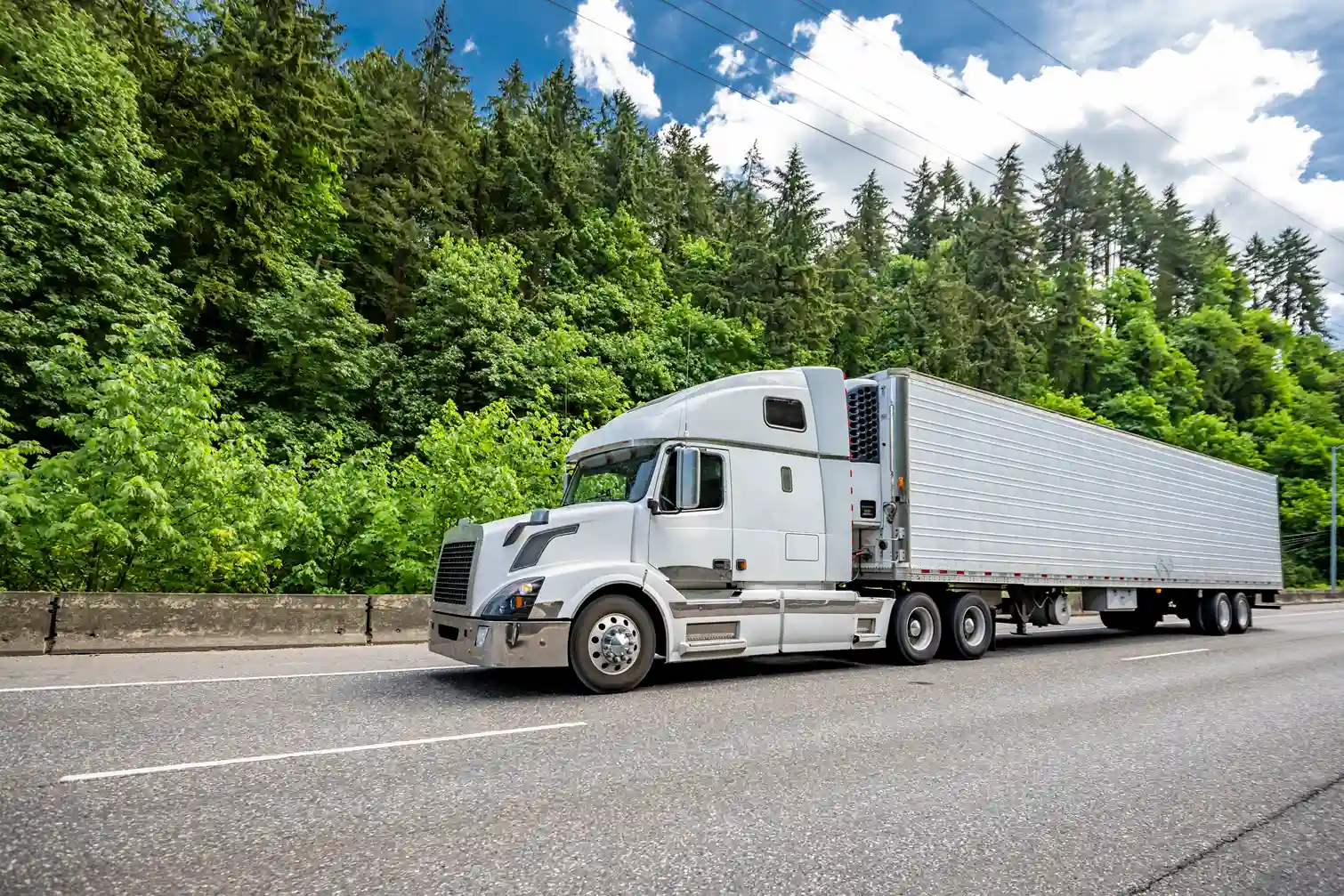
Motor carriers are one of the largest groups covered by UCR. That includes for-hire property carriers transporting cargo for compensation, motor private carriers transporting their own business’s property in interstate commerce, and covered passenger carriers. The UCR Plan defines a motor carrier as a person providing motor vehicle transportation for compensation and a motor private carrier as a business providing interstate transportation of property to support its primary business activity. A carrier does not need a large fleet to fall within the program. A single qualifying vehicle engaged in interstate commerce can be enough to create a UCR obligation.
Federal registration information also matters. UCR enforcement materials identify interstate designation on the MCS-150 and active motor carrier authority as indicators that a business may need to register. But a USDOT number alone should not automatically be treated as proof that UCR applies in every case. The company’s actual transportation activities still matter.
Brokers and Freight Forwarders
A broker arranges transportation rather than necessarily performing the transportation itself. That means UCR for brokers can apply even if the business owns no trucks. Freight forwarders can also fall within UCR. A freight forwarder generally assembles, consolidates, or assumes responsibility for freight movement and may or may not operate vehicles as part of that business. That distinction becomes important when fees are calculated. Freight forwarders that do not operate commercial motor vehicles generally fall into the lowest fee bracket, while freight forwarders that operate vehicles can be assessed according to fleet size. So freight forwarder UCR requirements depend not only on the business category but also on whether the company actually operates vehicles.
Leasing Companies
Certain leasing companies are also covered. The UCR Agreement defines a leasing company as a business that leases or rents motor vehicles without drivers to motor carriers, motor private carriers, or freight forwarders. A leasing-only business can be subject to UCR even if it does not operate the vehicles itself. If the company also moves or operates vehicles in interstate commerce, however, its classification and fee treatment can change. UCR materials note that a leasing company operating vehicles may be treated differently from one that solely leases equipment. That is why business activity matters more than the company name alone.
UCR Registration Requirements
Before filing, gather the information needed to support the registration.
Typical UCR registration requirements include:
- Legal business name and DBA
- Principal business address
- Contact information
- USDOT number
- Applicable operating-authority information
- Business classification
- Registration year
- Fleet information
- Vehicle records supporting any permitted exclusions
- Payment and filing authorization
The UCR Plan says the owner and DBA information should match the information associated with the USDOT number and that the principal place of business should be the company’s headquarters where operational records are maintained or can be produced.
For carriers excluding eligible vehicles used exclusively in intrastate transportation from their fee count, the supporting vehicle details should be retained. The UCR forms identify information such as make, model, GVWR, passenger capacity, plate information, and VIN for those excluded vehicles. That does not mean every applicant must submit a separate supporting vehicle form with every registration. The key is being able to support the fleet count and any exclusions if the base state requests documentation.
Who Is Exempt From UCR Registration?
Some businesses do not fall within the program. The main UCR exemptions include genuinely intrastate motor carriers and private motor carriers of passengers. UCR enforcement guidance specifically identifies these categories as outside the normal registration requirement. That distinction is important because a private passenger carrier is not the same as a private property carrier. A company transporting its own equipment or inventory across state lines may still be a motor private carrier of property and can therefore remain subject to UCR. Likewise, church, school, or employee transportation should not automatically be assumed exempt without looking at how the operation is classified. Vehicle size can also be misleading.
A smaller vehicle does not always eliminate the UCR obligation. The UCR Plan explains that some carriers or freight forwarders operating only lighter vehicles may still need to register if they hold federal motor carrier authority. In that situation, they may fall into the lowest fee bracket even though their vehicles do not meet the UCR commercial motor vehicle definition.
So there is an important difference between being exempt from UCR registration, and Excluding certain vehicles from the fleet count used to calculate the fee. Those are not the same thing.
Do Intrastate Carriers Need UCR?
A genuinely intrastate carrier generally does not need UCR. But staying physically within one state does not always mean the transportation is intrastate. The UCR Agreement defines interstate commerce broadly enough to include transportation between two points in the same state when the shipment is part of a movement that begins or ends outside that state. For example, imagine a local truck picks up an imported container at a rail yard and delivers it only 30 miles within the same state. The truck itself never crosses the state line.
But if that movement is part of a shipment that originated outside the state or country, the transportation can still be considered part of interstate or international commerce. That is why the answer to do intrastate carriers need UCR depends on the entire movement of the shipment, not just the geographic route of one truck.
How Your UCR Base State Is Determined
UCR uses a base-state system. A covered business generally registers through one UCR base state rather than filing separately in every participating state where it operates. The UCR Plan sets out a hierarchy for choosing that state. First, use the participating state where the business maintains its principal place of business. If the principal-place-of-business state does not participate, the business should use a participating state where it maintains an office or operating facility. If neither applies, the UCR Agreement provides alternative selection rules based on geography and the location of the principal place of business.
That means a company cannot simply pick whichever state appears cheaper or easier. It also means being based in a nonparticipating state does not automatically make a covered business exempt from UCR. For example, the UCR Plan currently lists states such as Florida, Arizona, Oregon, Nevada, and New Jersey among nonparticipating jurisdictions, but covered businesses based there may still need to register through an appropriate participating state under the base-state rules.
UCR Fee Schedule and How Fees Are Calculated
UCR fees are based on fleet-size brackets. They are not calculated as a separate fee for each state where the business operates. For the 2027 registration year, the UCR Plan lists the following official fee schedule:
| Commercial motor vehicles owned or operated | Carrier or vehicle-operating forwarder | Broker or leasing company |
| 0–2 | $55 | $55 |
| 3–5 | $167 | — |
| 6–20 | $333 | — |
| 21–100 | $1,163 | — |
| 101–1,000 | $5,548 | — |
| 1,001+ | $54,165 | — |
The UCR Plan explains that brokers, leasing-only companies, and freight forwarders that do not operate vehicles are generally charged the lowest bracket. Carriers and vehicle-operating freight forwarders are assessed according to the number of qualifying commercial motor vehicles they own or operate. A company performing more than one transportation role may need to evaluate how its vehicle operations affect the bracket. The UCR fee schedule is the same regardless of how many participating states the company operates in.
For continuing covered businesses, registration and payment should be completed before January 1 of the registration year. After that date, the fee remains due, and the business may become subject to state enforcement. The 2027 registration portal opened October 1, 2026. Always separate the official UCR fee from any third-party filing or service fee. The official amounts come from the UCR Plan. UCR Plan – Official Fee Schedule
The best way to determine whether you need UCR is to work through the operation step by step. First, identify the business category. Then determine whether the transportation or service is interstate or international in nature. Next, review whether a real exemption applies rather than assuming one based on vehicle size or the fact that the truck stays inside one state. Finally, determine the correct base state, fleet count, and fee bracket.
For businesses already subject to UCR, annual UCR renewal should be completed before the new registration year begins. If you need help completing the annual filing, UCR.online provides independent filing assistance for carriers and transportation businesses that want help preparing and file UCR online. The service is separate from the UCR Plan and does not replace the business’s responsibility to provide accurate registration information.